Learning a new language had always been a dream of mine, but the traditional route of hiring tutors quickly became a challenge. Private tutors were expensive, with lessons costing hundreds of euros per month. Beyond the financial strain, coordinating schedules and commuting to sessions often disrupted my already packed routine. Even with a great tutor, progress felt slow. Meeting once or twice a week wasn’t enough to build the fluency I craved.
I needed consistent, daily practice, but the rigid structure of traditional lessons left little room for flexibility. I found myself stuck in a cycle of starting and stopping without ever making meaningful strides toward fluency.
That’s when I turned to language learning apps. They offered a much more affordable and convenient way to learn. With features like AI-powered feedback and lessons tailored to my skill level, I could finally practice anytime and anywhere. Here’s what I discovered after testing several apps.
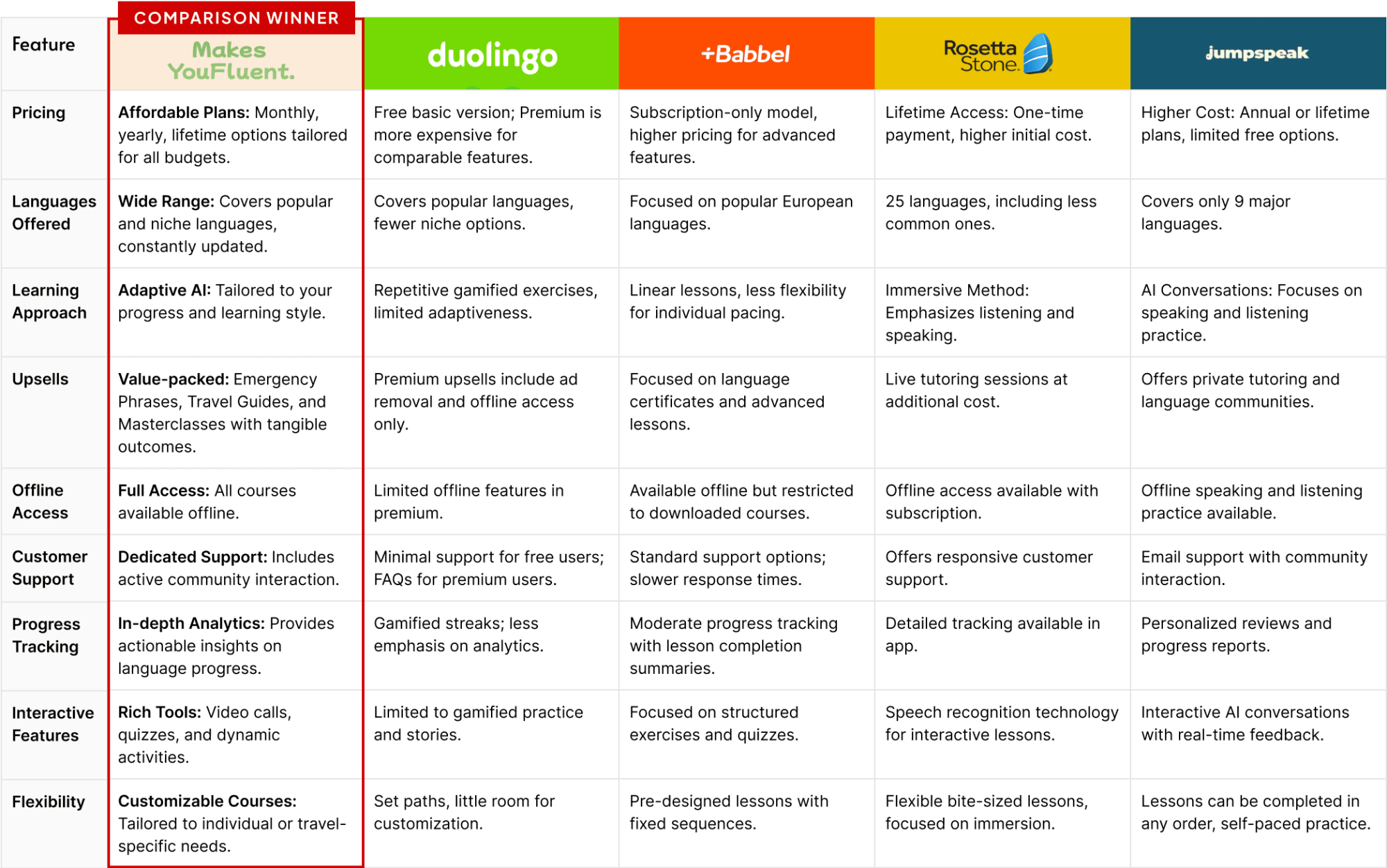
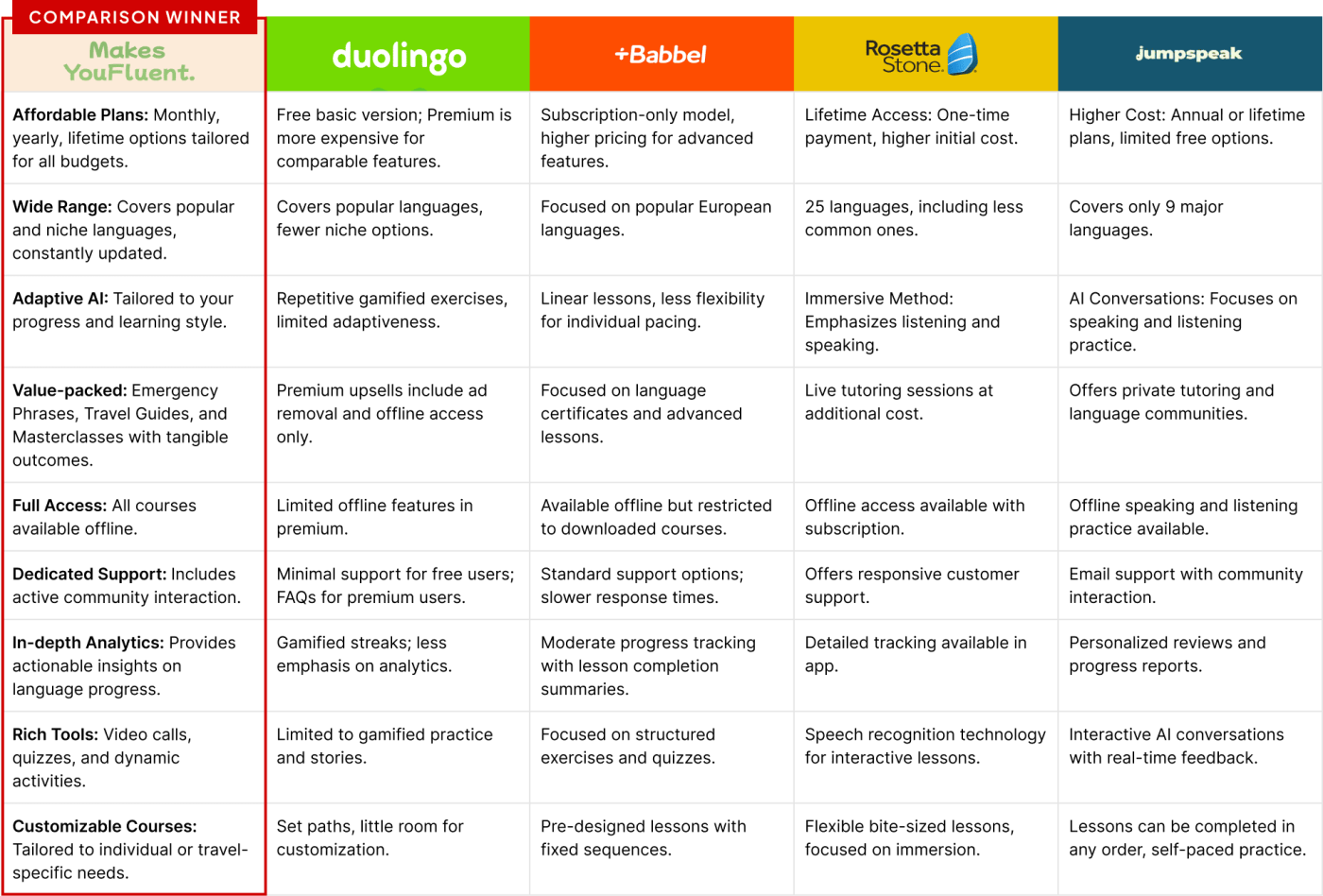
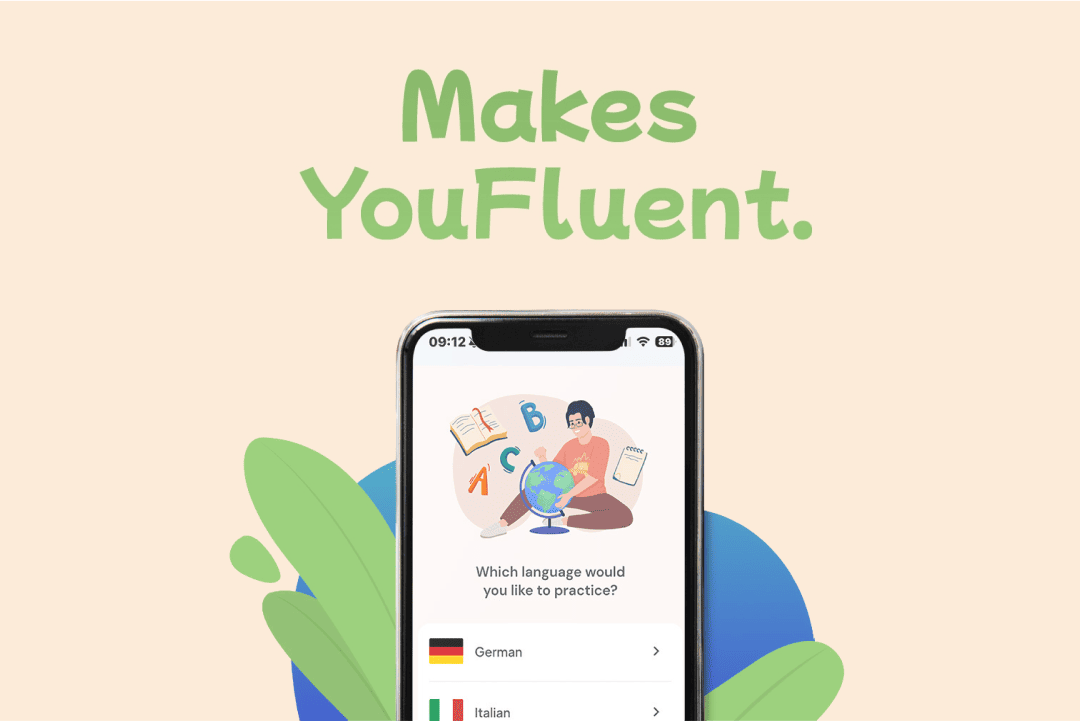
MakesYouFluent delivers a seamless blend of interactive technology, personalized learning, and practical lessons. Designed for busy learners, it incorporates AI-powered features to create an engaging and effective path to fluency.
• Tailored Learning Paths: Lessons adapt to your pace and focus, ensuring steady progress in speaking, grammar, and vocabulary. • AI-Powered Conversations: Get real-time feedback to refine pronunciation and sentence structure. • Immersive Practice: Simulate real-life scenarios to boost confidence in conversational skills. • Offline Access: Download lessons and learn on the go.
• Tailored Learning Paths: Lessons adapt to your pace and focus, ensuring steady progress in speaking, grammar, and vocabulary.
• AI-Powered Conversations: Get real-time feedback to refine pronunciation and sentence structure.
• Immersive Practice: Simulate real-life scenarios to boost confidence in conversational skills.
• Offline Access: Download lessons and learn on the go.
Pros:
• Comprehensive courses across over 20 languages, including Spanish, French, German, and Dutch.
• Hands-free mode for multitasking learners.
• Affordable pricing with flexible subscription options.
Cons:
• Fewer gamified elements compared to apps like Duolingo.
• Still growing its library for less commonly studied languages.
MakesYouFluent provided me with the flexibility I needed while offering practical, effective lessons that fit seamlessly into my routine.
The Duolingo app has become synonymous with gamified language learning. Its colorful interface and short lessons make it ideal for casual learners and those just starting their language journey.
Key Features:
• Bite-sized lessons for daily learning.
• Gamified challenges to keep users engaged.
• Comprehensive language options, including Duolingo Spanish, French, and German.
Drawbacks:
• Limited focus on real-world conversational skills.
• Advanced learners may find it less effective.
Duolingo’s game-like approach is fun, but it often feels superficial, leaving serious learners without the depth needed for meaningful fluency.
3. Babbel – Practical and Structured Learning
Babbel emphasizes real-world conversation, helping learners practice language skills in everyday scenarios. It’s a strong option for those aiming to speak confidently.
Highlights
• Focus on dialogue and pronunciation.
• Structured lessons designed for real-life use.
• Offline mode for learning anywhere.
Challenges:
• Higher cost compared to some alternatives.
• Less interactive than AI-driven platforms.
Babbel’s rigid structure can feel outdated, and its lessons lack the dynamic engagement many learners expect from modern apps.
4. Rosetta Stone – Immersive but Traditional
Rosetta Stone is renowned for its immersive teaching style, focusing on speaking and listening. Its intuitive interface suits learners dedicated to achieving fluency over time.
Strengths:
• Comprehensive pronunciation tools.
• Long-standing reputation as a language learning pioneer.
• Lifetime subscription options.
Weaknesses:
• Limited adaptability for casual or busy learners.
• Higher pricing compared to competitors.
Rosetta Stone’s traditional methods can feel overly slow and uninspired, especially for learners looking for more efficient and engaging tools.
5. Jumpspeak – Conversations Powered by AI
Jumpspeak is a conversationally focused app that uses AI to simulate dialogues. It’s ideal for learners who want to improve their speaking fluency quickly.
Advantages:
• Interactive speaking practice with real-time feedback.
• Simple, user-friendly interface.
Limitations:
• Smaller language selection.
• Less emphasis on grammar and vocabulary.
Jumpspeak’s limited language options and narrow focus on conversation make it insufficient for learners seeking comprehensive skills development.
Conclusion:
Why MakesYouFluent Stood Out
After exploring multiple language learning apps, MakesYouFluent emerged as the perfect solution. It offered everything I needed to finally achieve the fluency I had been chasing—daily practice, AI-powered feedback, and lessons tailored to my progress. Unlike other platforms, it provided a flexible, immersive experience that fit seamlessly into my busy routine. With its hands-free mode and interactive AI avatars, MakesYouFluent made language learning convenient, effective, and surprisingly enjoyable. For anyone looking to break free from the limitations of traditional methods or less comprehensive apps, MakesYouFluent truly stands out as the best choice.
I’m passionate about discovering the best ways to learn languages, using research and science to make it easier and more natural. I focus on how immersion, technology, and motivation can improve learning. For me, language is about connection, and I love helping others experience that through my work.
Fact checked by Daniel Kim, PhD
Sources & Research used in the article:
NIH: “Inflammation in the Pathogenesis of Osteoarthritis”, Harvard Health: “Foods that fight inflammation”, Arthritis Foundation: “The Anti-Inflammatory Diet”